Every new parent in Australia hits this question around month three. Baby's been sleeping well in a swaddle, then suddenly they're wriggling, rolling, or fighting the wrap. Do you stick with swaddles? Switch to a sleep sack? Both?
If you're still figuring out swaddling basics, start with our how to swaddle guide. Already wondering about timing? Our transition guide covers when and how to make the switch. And if TOG ratings confuse you, the TOG and temperature guide walks you through it for Australian weather.
A swaddle wraps your baby's arms snugly against their body. It mimics the tight feeling of the womb and stops the startle reflex (Moro reflex) from waking them up. Most Australian parents use swaddles for the first 3-4 months.
A sleep sack is a wearable blanket with armholes. Baby's arms are free. It keeps them warm without the restriction of a swaddle. Sleep sacks work from birth through to toddlerhood: some brands go up to size 3-4 years.
The main difference is arm position. Swaddle = arms in. Sleep sack = arms out. Everything else (TOG ratings, fabrics, sizes) works the same way across both types.
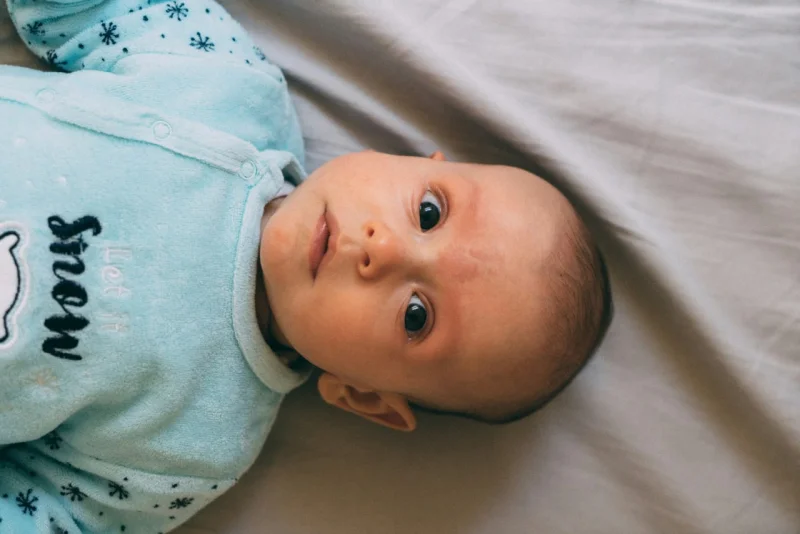
The age most Australian babies transition from swaddle to sleep sack. Red Nose Australia says stop swaddling at the first sign of rolling: usually between 3 and 4 months.
Bottom line: Most Australian parents use swaddles for the newborn phase, then switch to sleep sacks around 3-4 months. You're not choosing one forever: you're choosing which one for right now.
Your baby has a strong startle reflex and zero ability to self-soothe. A swaddle keeps arms snug and reduces wake-ups from the Moro reflex. Look for swaddles with hip-healthy designs (wide bottom, snug top): Love to Dream and ergoPouch both meet Red Nose Australia guidelines. A 1.0 TOG swaddle works for most Australian nurseries in this age range.
This is the grey area most parents stress about. Baby might be showing signs of rolling but still has some startle reflex. Start with one arm out for a few nights. If they settle fine, try both arms out. If they wake constantly, go back to arms-in for another week. Some babies transition in 3 days, others take 3 weeks. A 1.0 TOG transition swaddle or sleep sack is the right weight for this stage.
Rolling is well established now. Baby needs arms free for safety. A sleep sack keeps them warm without restricting movement. Most babies this age are on two naps and have a consistent bedtime routine: the sleep sack becomes a sleep cue. Stick with 1.0 TOG for climate-controlled rooms or 2.5 TOG for cooler nights.
Once your baby is walking, you have two options: a sleep sack with feet holes (ergoPouch calls these "sleep suits") or a standard sleep sack in a larger size. Toddlers who climb out of the cot should use a sleep sack: it makes it harder to swing a leg over the rail. Size up as they grow. Many Australian parents use sleep sacks until age 2-3.
The signal is simple: your baby starts to roll. Red Nose Australia says stop swaddling at the first sign of rolling: even if it's just onto their side during nappy changes. A swaddled baby who rolls onto their tummy can't push up or turn their head.
Other signs it's time:
For the full step-by-step on how to transition arms-out safely, read our when to stop swaddling guide. It covers one-arm-out method, cold turkey approach, and how long the transition typically takes.
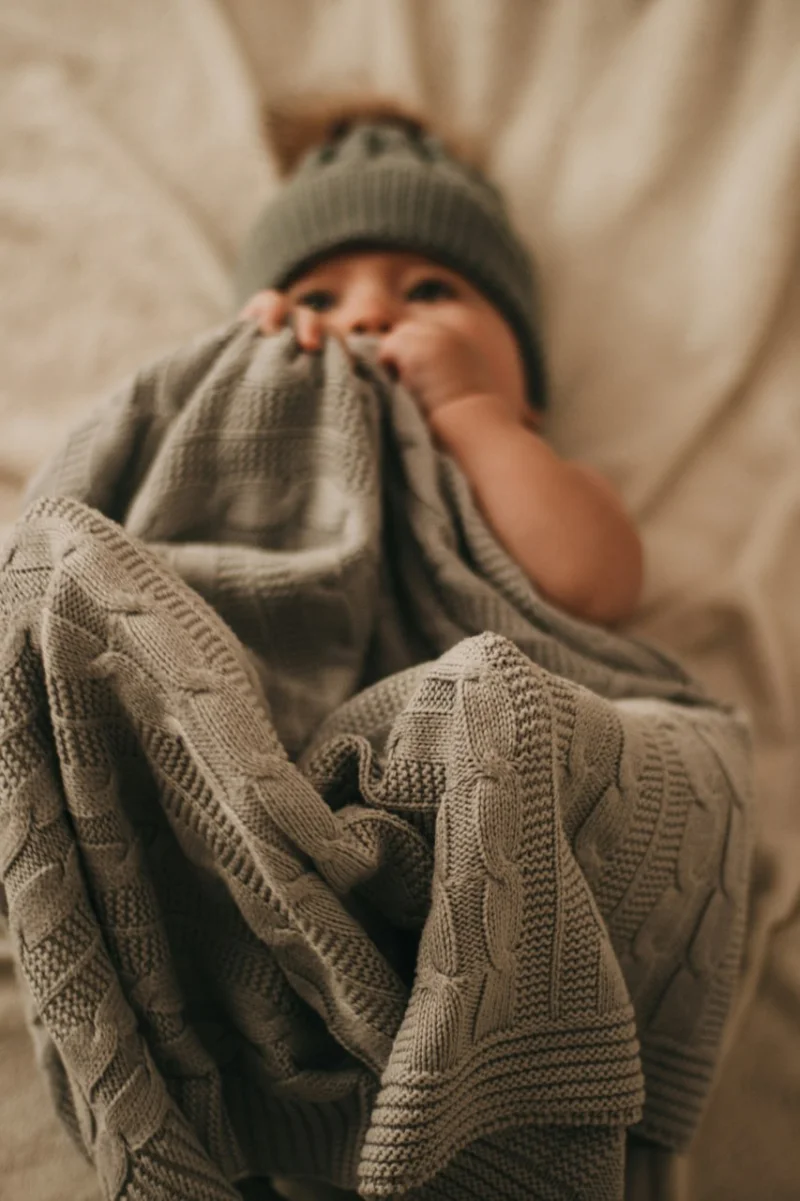
Sleep sacks use the same TOG scale as swaddles. The only difference: because arms are free, you have more control over temperature with the layers you put underneath.
Quick TOG guide for sleep sacks: 0.2 TOG for summer (24°C+), 1.0 TOG for mild/air-conditioned rooms (20-23°C), 2.5 TOG for winter (16-19°C), 3.5 TOG for very cold rooms (below 16°C). Red Nose Australia recommends 18-22°C as the ideal nursery temperature.
Need the full breakdown? Our TOG and temperature guide has a complete table with room temperatures, what baby wears underneath, and overheating signs to watch for. It covers both swaddles and sleep sacks.
Decent quality in Australia costs this:
Swaddles cost less upfront but you use them for months. Sleep sacks cost more but last years. Most Australian parents spend AU$100-200 total across both types in the first year. If you're on a tight budget, buy 2 swaddles for the newborn phase and invest in one good 1.0 TOG sleep sack when you transition, that covers most of the year.
I've reviewed 6 of Australia's most popular swaddles: Love to Dream, ergoPouch, SwaddleMe and more. TOG options, sizing, and which one actually works.
Read the Full Review →Yes, but most newborns sleep better in a swaddle. The Moro reflex is strongest in the first 3 months and will wake them constantly. A swaddle stops it. If you'd rather use a sleep sack from birth, pick one designed for newborns with a fitted neck. Red Nose Australia says either is safe if baby is on their back with feet at the bottom of the cot.
Both are safe when used at the right age. Swaddles become unsafe once baby shows signs of rolling: usually 3-4 months. Red Nose Australia says stop swaddling at the first sign of rolling. Sleep sacks keep arms free so baby can reposition if they roll. After the swaddling stage, sleep sacks are the safer bet.
Most parents end up with both. Swaddles for months 0-4, sleep sacks from 4 months through to age 2+. If budget is tight: buy 2 swaddles for the newborn phase, then invest in a quality sleep sack when you transition. You don't need to buy everything at once.
At least 2 of each. With a newborn, 3 swaddles is better because nappy leaks and spit-up happen a lot. For sleep sacks, 2 covers you: one lighter (0.5-1.0 TOG) for warm months and one warmer (2.5 TOG) for winter. Most Australian parents keep one of each TOG so they're set year-round.
Yes. Pick a 0.2 or 0.5 TOG sleep sack: they're light and breathable, like a thin sheet. On really hot nights (25°C+), just a nappy underneath is fine. Red Nose Australia warns against overdressing in warm weather: overheating is a SIDS risk. A fan in the room (not aimed at the cot) helps.
← Back to Best Baby Swaddle Reviews